Santorini draws more than 3 million visitors each year, and the question every traveler asks before booking is always the same: when should I go? The answer depends entirely on what you want from your trip. July and August give you sun-drenched beaches and vibrant energy, but also intense crowds and prices that spike sharply. Spring and autumn deliver warmth, beauty, and breathing room. Winter offers a quiet, raw version of the island most tourists never see. This guide breaks down the best time to visit Santorini season by season and month by month. This way you can plan around what matters most, whether that is the caldera sunsets, the volcanic wines, a romantic escape, or a stress-free cruise stopover.
The Short Answer: When Is the Best Time to Visit Santorini?
Late April to early June and mid-September to late October represent the best overall windows to visit Santorini. These shoulder seasons offer warm weather, manageable crowds, and full access to restaurants, tours, and attractions.
For most travelers, September stands out as the single best month. The sea is still warm from summer, the sunsets are extraordinary, and the crowds begin to thin.
If your priority is beaches and maximum sunshine, June through September brings the most consistently sunny skies and little to no rain.
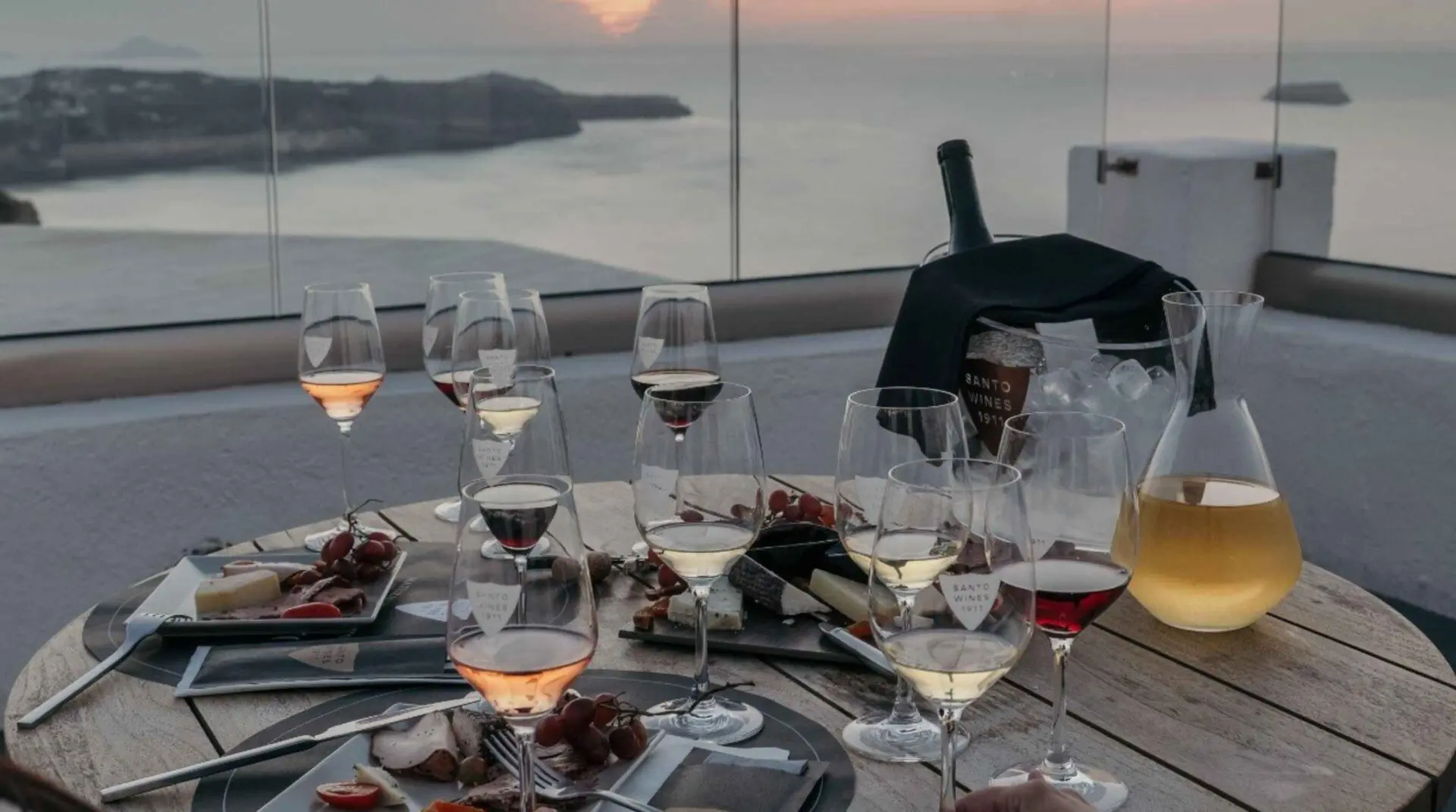
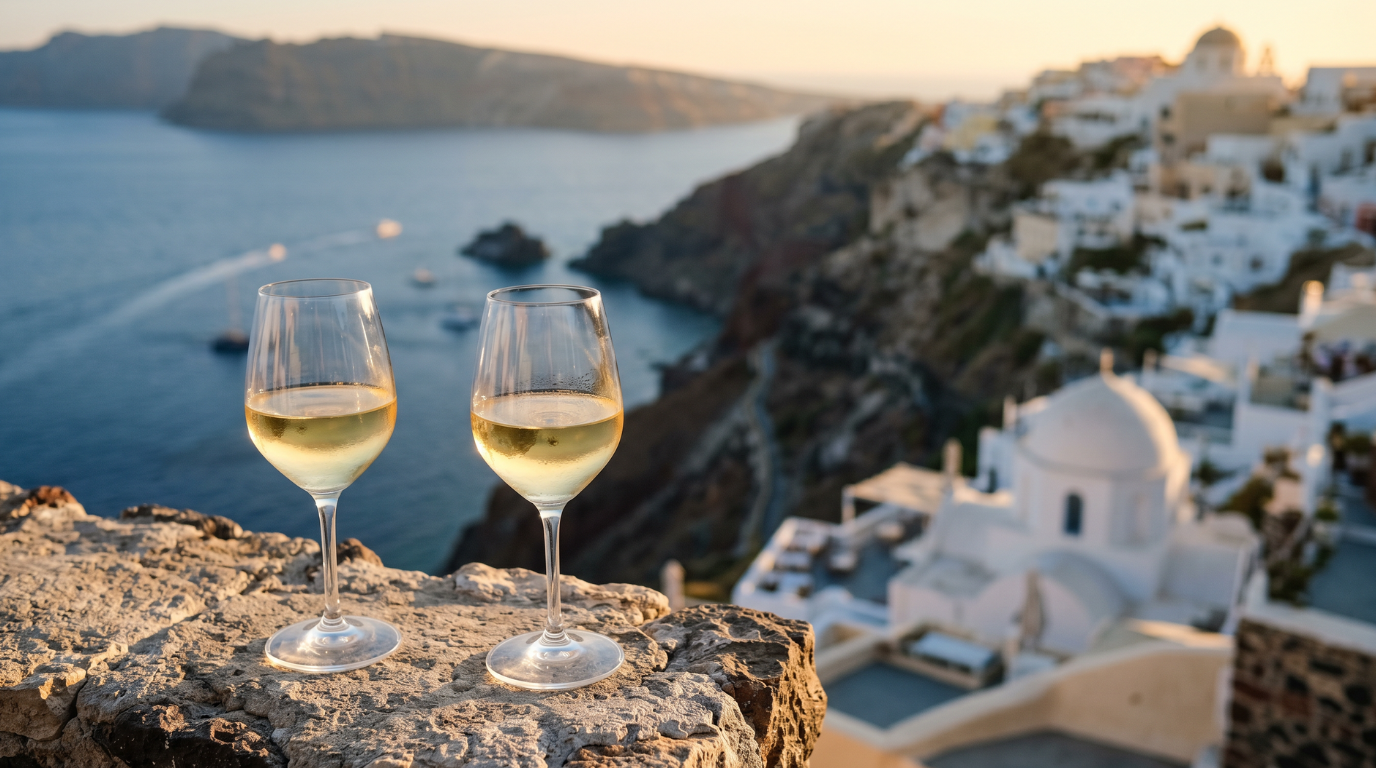
If you are a wine enthusiast, early august is your season. August is the end of harvest season in Santorini, making it a particularly rewarding time for wine lovers to visit. The island is renowned for its unique wines, particularly Assyrtiko, a crisp white wine shaped by volcanic soil.
Spring in Santorini (April and May): Quiet, Blooming, and Underrated
Spring is the season most first-time visitors overlook, and that is precisely what makes it appealing.
Spring in Santorini, from April to June, is often considered the best time to visit for travelers who want pleasant weather without the heavy crowds. April marks the beginning of tourist season, and by May, most shops, restaurants, and hotels are fully open.
April: A Gentle Awakening
As winter retreats, Santorini awakens in spring with mild temperatures, blossoming landscapes, and a vibrant ambiance. Average temperatures range from 16°C to 20°C (61°F to 68°F), with mostly mild and sunny conditions.
April is a strong month if you want to:
- Explore archaeological sites like Akrotiri without battling tour groups
- Hike the famous Fira-to-Oia trail with comfortable temperatures and open views
- Visit wineries as they reopen their doors for the season and the vines begin to bud
- Experience Greek Easter, which typically falls in April and brings genuine local celebrations to villages like Pyrgos
Prices in April are significantly lower than peak season, and availability at top hotels and restaurants is high. Book your accommodation and any private tours in advance, since Easter weekend fills up quickly among Greek visitors.
May: The Best Month for First-Time Visitors
May offers a near-perfect balance. Temperatures rise toward 22°C to 25°C (72°F to 77°F), the island is fully operational, and the caldera views remain clear and uncrowded before the summer rush begins.
May is one of the best months for activities, hiking, wine tasting, restaurants, and mild sunny weather.
Key advantages of visiting in May:
- All wineries, restaurants, and tours are fully open
- Hotel rates are still 20 to 40 percent lower than July or August
- The Aegean Sea is warming up, with swimming possible for warmer-weather enthusiasts
- Photographers find the light exceptional, with clear skies and a softer golden-hour quality
For couples planning a private wine tour in Santorini, May is ideal. The vineyards are lush and active, tastings feel intimate, and the crowd pressure at Oia’s famous sunset viewpoint is far more manageable.
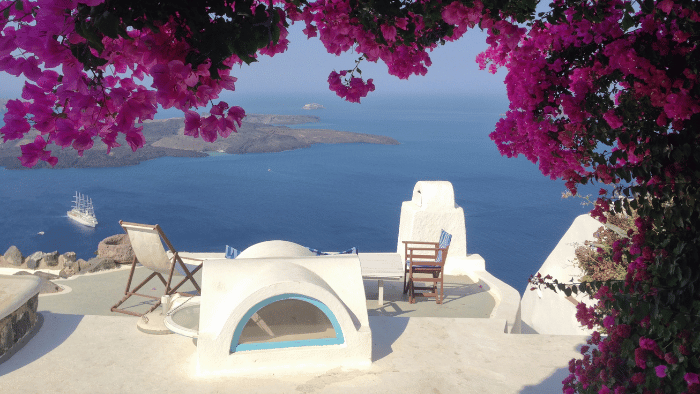
Early Summer in Santorini (June): Busy but Still Manageable
June is a hot, sunny month and the start of beach season when tourists arrive in large numbers. Average maximum temperature reaches 26°C (79°F) with almost no rainfall.
June sits in a transitional position. It delivers summer conditions, including warm sea water, long daylight hours, and fully open attractions, without the extreme crowds of July and August. If you are looking for a summer experience in Greece without the intense crowds, June delivers. Everything is open and available, but it sits right before the island’s main peak season.
Prices in June are pretty much the same than the July-August peak, rising quickly quickly as the month progresses. Book accommodation at least three to four months in advance if you are visiting in mid to late June.
June also works exceptionally well for wine lovers. Santorini’s estate wineries are fully operational, and the atmosphere at caldera-view tasting terraces is still relaxed enough to fully enjoy the experience.
Peak Season in Santorini (July and August): Sun, Crowds, and Full Energy
July and August are Santorini at full volume: every restaurant, beach bar, and tour is operating at maximum capacity, the Aegean Sea reaches its warmest temperatures, and the island buzzes day and night.
What to Expect in Peak Season
July and August are the busiest months on Santorini. Average maximum temperature reaches 27°C (81°F). August can also bring occasional strong winds called the Meltemi, which can cancel ferry and catamaran services.
The Meltemi is worth planning around. This persistent northern wind can disrupt boat tours, sailing trips, and transfers between islands. Inland wine tours and sightseeing excursions are unaffected, making private land-based tours a smart choice during windy stretches.
Important Tip: Due to the unexpected winds in Santorini during the summer months, visitors that intent to book a catamaran for a water tour, should book it for their first day on the island. This way, if there’s a forecast for bad weather they will have a few days ahead to reschedule.
During July and August, temperatures range from 25°C to 35°C (77°F to 95°F), making it ideal for beachgoers and sun worshippers.
- Booking lead time: Reserve hotels 3 to 6 months in advance for peak season, especially for caldera-view properties
- Sunset at Oia: Expect very large crowds, arrive 45 to 60 minutes early to secure a good viewpoint
- Pricing: Accommodation and tour prices hit their annual peak in July and August
Who Peak Season Is Right For
Despite the crowds, peak season suits specific traveler profiles well:
- Beach enthusiasts who want warm sea water (up to 24.5°C in August) and maximum sunshine
- Nightlife seekers who want Fira and Oia at their most energetic
- Families with school-age children whose travel calendar is fixed to summer holidays
If you visit in peak season, book private tours over group excursions. A private wine or sightseeing tour lets you move at your own pace, skip crowded stops, and enjoy a genuinely personal experience even when the island is at capacity.
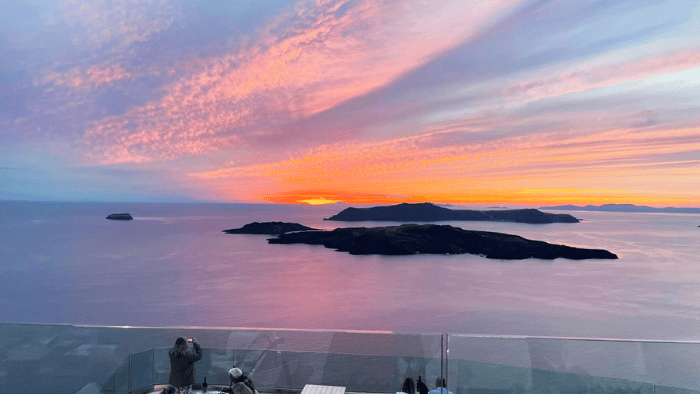
Autumn in Santorini (September and October): The Most Rewarding Season
Autumn is the season that experienced Santorini travelers consistently recommend, and for good reason. It combines late-summer warmth with returning tranquility, softer light, and one of the island’s most exciting events: the grape harvest.
September: The Island’s Best-Kept Secret
If you are looking for the perfect balance of good weather, smaller crowds, and open attractions, the best time to visit Santorini is mid to late September. The sea is still warm for swimming, the sunsets are stunning, and the island begins to mellow after summer.
September sees the island at 85% capacity compared to August’s 100%, with hot and sunny conditions. The water temperature is warmer than June, as the sea has heated throughout the entire summer.
September in Santorini offers:
- Warm sea water at its peak temperature for comfortable swimming
- Significantly fewer crowds at Oia’s sunset viewpoint and Fira’s caldera path
- Lower hotel rates than July and August, with excellent room availability
- Active wine harvest, with some estate wineries opening their doors to harvest participants and visitors
- Photographers’ golden hour, as the autumn light produces exceptional images across Fira, Imerovigli, and Oia
For wine enthusiasts, August to early September is arguably the most exciting season on the island. This is when Santorini’s legendary Assyrtiko grapes and Vinsanto grapes are finished harvesting.
October: Cozy Atmosphere and Quieter Days
October sees Santorini at roughly 70% capacity. The weather gets cooler but still allows swimming in the sea or in heated hotel pools. For many businesses, October is their last operational month.
Early October retains genuine warmth, averaging around 22°C (72°F) during the day, with evenings turning pleasantly cool. By mid-October, some beach bars and smaller restaurants begin closing for the season, but the major wineries, top-rated restaurants, and most tours operate through the end of the month.
The Santorini Experience sporting event takes place in early October, combining running and open-water swimming with spectacular caldera views and a festive atmosphere.
October is especially well-suited for:
- Couples seeking quiet romance, with caldera sunsets almost entirely to themselves
- Wine lovers who want to experience the rewards of the harvest season combined with relaxed winery visits
- Hikers looking to tackle the Fira-to-Oia trail or Profitis Ilias in cool, comfortable conditions
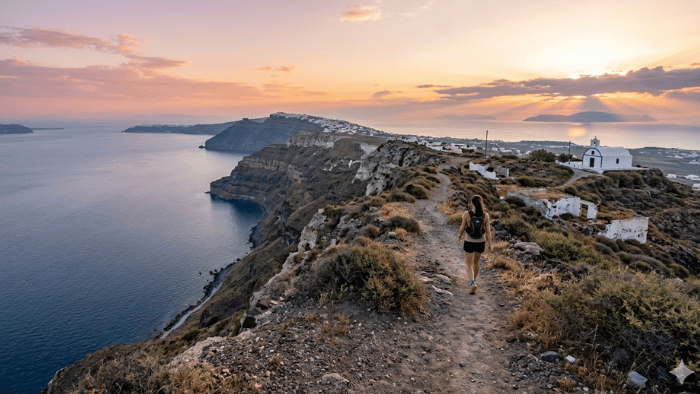
Winter in Santorini (November to March): A Different Kind of Beauty
From late November onward, Santorini transitions to its quietest period. Fira stays moderately active until the final cruise ship of the season makes its visit, usually in late November while Oia is running at low capacity. Most luxury hotels close by late October so if that’s what you aim for, winter should not be on your radar.
Winter in Santorini, from December to March, is the low season, with temperatures ranging from 10°C to 18°C (50°F to 64°F). The crowds disappear entirely, creating a peaceful ambience and a more local feel. It is the cheapest time to visit.
Winter suits a specific kind of traveler:
- Someone who wants to photograph the caldera with no tourists in frame
- A traveler prioritizing budget, with hotel rates at their annual lowest
- A visitor genuinely curious about the island beyond its tourist identity
The trade-offs are real. Many hotels, restaurants, and tour operators close for the season. December brings cool, rainy weather with occasional stretches of sunny days. January is generally the rainiest and coldest month. February is consistently the coldest month of the year.
Ferry connections reduce significantly in winter, and some days bring strong winds and rough Aegean seas. If you visit between November and March, base yourself in Fira, which remains the most active area of the island year-round.
Best Time to Visit Santorini for Wine Lovers
Santorini’s volcanic terroir produces some of the most distinctive wines in Europe. Its ungrafted vines, some exceeding 150 years old, grow in pumice, ash, and lava rock, giving wines an extraordinary mineral character impossible to replicate elsewhere. The flagship grape, Assyrtiko, produces crisp, aromatic dry whites, while Vinsanto, Santorini’s sun-dried dessert wine, represents one of Greece’s oldest winemaking traditions.
For a full introduction to this remarkable wine culture, read our guide to Vinsanto wine in Santorini.
The best months for wine-focused visits are:
A practical tip: Book a private wine tour over a group excursion if wine education matters to you. With a certified sommelier guiding a small, private group, you gain access to estate wineries that do not appear on standard OTA listings, and you explore at a pace that actually allows you to learn and enjoy rather than just check boxes.
For a curated guide to Santorini’s top producers, visit our post on the best wineries to visit in Santorini.

Best Time to Visit Santorini for Couples and Honeymooners
Santorini regularly appears on global lists of the world’s most romantic destinations, and the experience genuinely delivers, provided you time your visit correctly.
June is often recommended as the top month for couples. The reason is specific: in peak summer, the famous sunset at Oia is so crowded that the romantic atmosphere collapses under the pressure. In June, the scene is still beautiful and accessible, without the shoulder-to-shoulder crowds of August.
September offers an equally compelling case. Prices drop, the island feels more intimate, and the sunset at Oia becomes genuinely magical again, with far fewer spectators vying for the same cliff edge.
Experiences designed specifically for couples in Santorini include:
- A private sunset wine tour with caldera views and a certified sommelier
- Flying dress photoshoots in iconic locations, particularly above Oia and Imerovigli
- Private sailing and catamaran tours along the caldera coastline
- A helicopter flight over the island, available through Wineland Tours’ helicopter experience
For a broader look at romantic activities across the island, visit our guide on unforgettable things to do in Santorini.
Best Time to Visit Santorini for Cruise Travelers
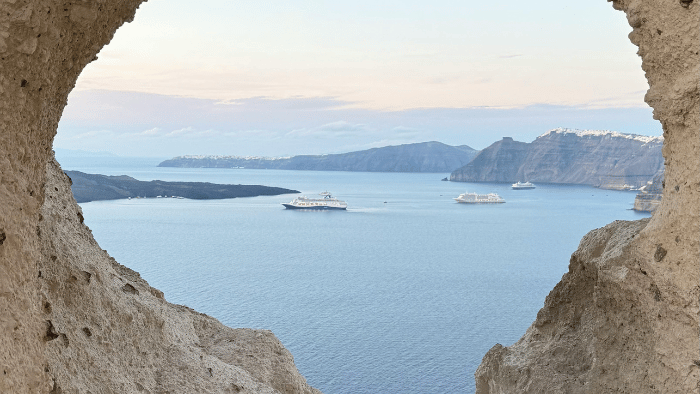
Santorini is one of the most popular Mediterranean cruise ports, welcoming ships from April through November. If your visit is a shore excursion, your date is fixed, so the question shifts from “when to visit” to “how to make the most of the time you have.”
A few key tips for cruise visitors:
- April to May and September to October represent the best cruise months. Crowds at key sites are manageable, and local operators are fully staffed and operational.
- June and July cruise days bring intense foot traffic at Oia, Fira, and the caldera path. Booking a private shore excursion that moves independently of the main tourist flow is the most effective way to enjoy the island. Senior tourists might have a hard time following a tour during mid June to mid August.
- Private tours sync with your ship’s departure time, so you return to port without stress. Our Santorini shore excursions are designed specifically around cruise schedules.
The cable car and the path from Fira’s old port fill quickly on peak-season cruise days. Private tour operators who meet you directly at the port and plan efficient, scenic routes around congestion points add significant value.
Santorini Month-by-Month Quick Reference
|
|
|
|
|
|
|
|
|
|
|
|
|
|
|
|
|
|
|
|
|
|
|
|
|
|
|
|
|
|
|
|
|
|
|
|
|
|
|
|
|
|
|
|
|
|
|
|
|
|
|
|
|
|
|
|
|
|
|
|
|
|
|
|
|
|
|
|
|
|
|
|
|
|
|
|
|
|
Practical Tips for Planning Your Santorini Visit
Whatever season you choose, these tips will help you get the most out of your trip.
Book accommodation early. For visits between June and August, make reservations four to eight months in advance. This applies to both hotels and restaurants. U.S. News & World Report Shoulder-season visitors have more flexibility but should still aim to book top caldera-view properties two to three months ahead.
Plan private transport over public options. Santorini’s roads are narrow, bus schedules are infrequent, and ATVs offer no safety and have less comfort than a private transfer. A local driver or private tour operator navigates the island efficiently and keeps your schedule flexible.
Reserve experiences in advance. Popular sunset restaurants and winery tastings fill up quickly from June through September. If you want a specific wine tasting at a specific estate, book it before you arrive.
Pack a layer for evenings. Even in peak summer, those sensitive to cooler temperatures should bring a light layer for windy or cooler evenings. Climates to Travel The Meltemi wind can make evenings feel unexpectedly cool even in July.
Respect the caldera path timing. The Fira-to-Oia hike is one of the best things to do in Santorini, but in July and August, complete it in the early morning before 9 a.m. to avoid the heat and the crowds. Spring and autumn hikers can walk at any time of day comfortably.
Align your wine tour with the harvest. If Santorini wine is a priority, visiting in September or early October gives you the rare opportunity to see the harvest in action, with some estates allowing visitors to participate directly in the picking process.
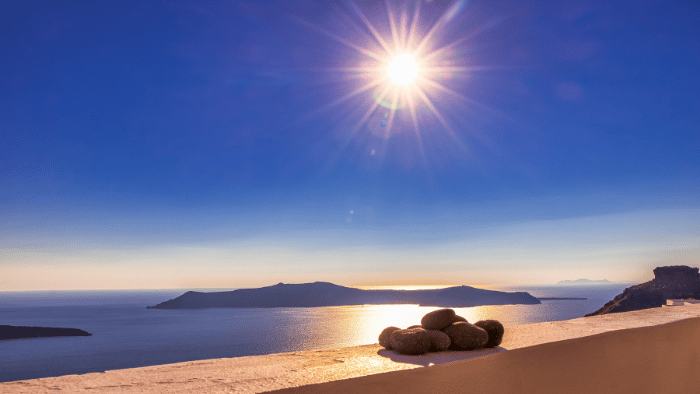
The Verdict: Which Season Wins?
- For the best overall experience: Late April to May or September to early October
- For beaches and full summer energy: June to August
- For wine and harvest season: August to Early September
- For couples and romance: June or September
- For value and quiet: October through April
- For cruise travelers: May, June, September, or October
- For senior travelers: April to mid June and mid August to October
Santorini rewards visitors in every season, but the island shows its most balanced, generous side in the shoulder months. The caldera is just as breathtaking in September as it is in August. The Assyrtiko is just as compelling in May as it is in July. The difference is that in the shoulder season, you actually have the space to appreciate both.
Plan carefully, book in advance, and choose the experiences that match what you came for. Santorini has a version of itself waiting for every kind of traveler.
Ready to Plan Your Visit?
Book a Private Santorini Wine Tour with Wineland Tours
Whatever season you choose, a private wine tour with a certified sommelier is one of Santorini’s most memorable experiences. Browse our estate winery tours, sunset tastings, and curated island journeys.

Written by
Ioanna Pilati
Co-founder & Sales and Operations · Wineland Tours
Ioanna is a Santorini insider with deep knowledge of the island’s activities, experiences, and seasonal rhythms. As co-founder of Wineland Tours, she has helped hundreds of travelers plan their perfect visit, from spring winery visits to autumn harvest tours and everything in between.
FAQ
Q: What is the best time to visit Santorini overall?
A: Late April to early June and mid-September to late October are the best overall windows. These shoulder seasons balance warm weather, manageable crowds, and full access to tours, wineries, and restaurants.
Q: When is Santorini the most crowded?
A: July and August are peak season, with August reaching 100% occupancy at most hotels. Crowds at Oia’s sunset viewpoint and Fira’s caldera path are at their most intense during these months.
Q: Is October a good time to visit Santorini?
A: Yes. Early October offers warm weather, warm sea water, and significantly fewer tourists than summer. Many businesses remain open through October, and the grape harvest makes it an especially rewarding time for wine enthusiasts.
Q: What is the best time to visit Santorini for wine tasting?
A: September and October are ideal for wine lovers, as this is Santorini’s grape harvest season. May and June are also excellent, as estate wineries are fully open and operating with fewer visitors than peak summer months.
Q: How far in advance should I book a Santorini trip in summer?
A: For July and August visits, book accommodation and tours three to six months in advance, particularly for caldera-view hotels and private wine tours. Shoulder-season travelers should aim for one to three months ahead.
Q: Is Santorini worth visiting in winter?
A: Winter offers a genuinely different experience: quiet streets, low prices, and an authentic local atmosphere. Many tourist businesses close from November to March, and the weather can be cool and rainy. It suits budget travelers, photographers, and those seeking solitude rather than summer activities.
Q: What is the best time to visit Santorini for a honeymoon?
A: June or September. June gives you full summer conditions with slightly fewer crowds than July and August. September provides warm weather, a quieter island, and more intimate sunset experiences, often at lower prices.
Q: Does Santorini have good weather in April?
A: April brings mild and mostly sunny conditions, with temperatures between 16°C and 20°C (61°F to 68°F). It is ideal for sightseeing, hiking, and winery visits, though the sea is still cool for swimming.
Q: When do Santorini wineries open for the season?
A: Most estate wineries reopen in April as the tourist season begins. They operate at full capacity from May through October, with some remaining open in November depending on demand.
Q: Can I visit Santorini on a cruise stopover and still see the highlights?
A: Yes, with careful planning. A private shore excursion customized around your ship’s schedule is the most effective approach, covering wine tastings, scenic villages, and caldera views without the time pressure of independent travel.
Q: Will I need ETIAS to travel to Greece?
A: Starting in late 2026, travelers from many non‑EU, visa‑exempt countries (such as the USA, UK, Canada, and Australia) will need an ETIAS travel authorization to enter Greece and other Schengen countries. ETIAS is not a visa, but a simple online pre‑travel approval linked to your passport, allowing short stays of up to 90 days within a 180‑day period. Travelers should always check official EU sources before departure for the latest requirements.