
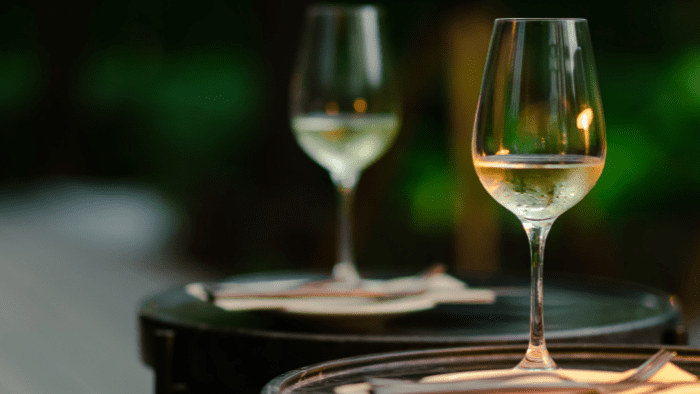
At first glance, Santorini looks like the last place on earth where wine should thrive. Sparse rainfall, fierce Aegean winds, and soil made entirely of volcanic ash hardly suggest abundance. And yet, Santorini has produced wine continuously for over 3,500 years, shaping not only the island’s identity but also Greece’s reputation in the international wine world. Santorini’s history is closely tied to its wine and its wines were influenced by its history too.
This article explores the history of wine in Santorini, how ancient viticultural techniques survived against the odds, and why Santorini wines (especially Assyrtiko) became the driving force behind Greece’s modern wine renaissance. By the end, you’ll understand why Santorini wine tours are no longer just a local curiosity, but a must for serious wine travelers worldwide.
Santorini’s Volcanic Terroir: Nature’s Impossible Vineyard
Santorini’s wine story begins with its geology. Around 1600 BCE, one of the largest volcanic eruptions in recorded history reshaped the island, burying it under layers of pumice, lava, and ash. Instead of destroying viticulture, this catastrophe created one of the most distinctive wine terroirs on Earth.
Why Volcanic Soil Matters
- Phylloxera-resistant vines: Santorini’s sandy volcanic soil prevented the devastating vineyard plague that wiped out much of Europe in the 19th century.
- Extreme minerality: Wines display striking salinity, acidity, and tension.
- Ungrafted vines: Many vines are over 150 years old, genetically identical to ancient plants.
This terroir gave Santorini wines a profile unlike anything produced elsewhere: sharp, structured, and unmistakably Mediterranean.
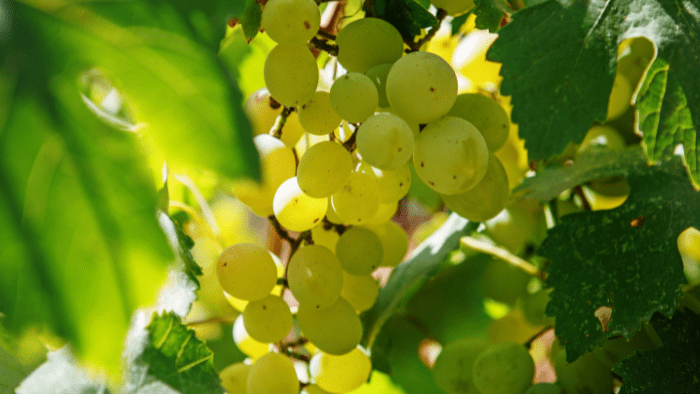
Ancient Roots: Wine in Santorini from the Bronze Age
Archaeological findings at Akrotiri, the prehistoric city preserved under volcanic ash, reveal that wine production was already established in Santorini during the Bronze Age. Amphorae, grape seeds, and wine storage vessels suggest that wine played a central role in:
- Trade across the Aegean
- Religious rituals
- Daily social life
Wine from Santorini likely traveled as far as Crete, Cyprus, and mainland Greece, making it one of the earliest export wines in Europe.
The Kouloura: A Viticultural Miracle
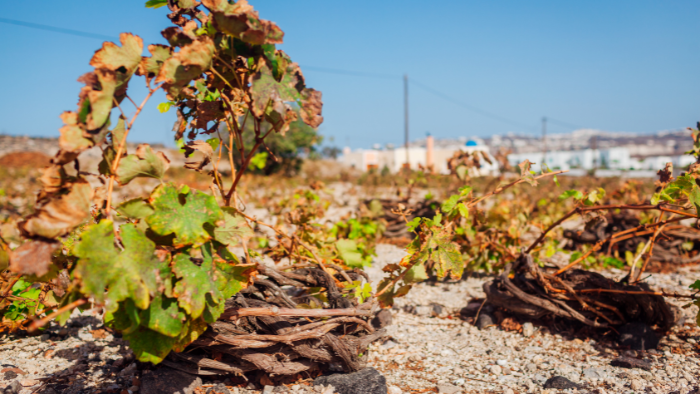
Perhaps the most iconic symbol of Santorini wine culture is the kouloura, or basket-trained vine.
Why Santorini Vines Are Woven Like Nests
- Protects grapes from violent winds
- Shields fruit from harsh sun
- Traps scarce nighttime humidity
This labor-intensive technique is still used today, unchanged for centuries. Each year, the vine is woven lower, creating living sculptures shaped by survival.
Assyrtiko: The Grape That Changed Greece’s Reputation
No discussion of Santorini wine history is complete without Assyrtiko.
Why Assyrtiko Is World-Class
- Retains razor-sharp acidity even in extreme heat
- Expresses terroir transparently
- Ages exceptionally well (often 10–20 years)
When international sommeliers first encountered Santorini Assyrtiko in the late 20th century, it challenged outdated perceptions of Greek wine as rustic or inconsistent. Suddenly, Greece was producing fine wines capable of standing beside Chardonnay (Chablis) and Riesling.
Santorini didn’t just elevate itself. It repositioned Greece on the global wine stage.
Assyrtiko in Santorini vs Assyrtiko Elsewhere in Greece
Although Assyrtiko originated in Santorini, it is now planted across mainland Greece and even abroad. Yet, no version quite matches the intensity and precision of Santorini Assyrtiko.
The reason lies in terroir.
In Santorini, Assyrtiko grows in pure volcanic soil, shaped by ash, pumice, and lava stone. The vines are ungrafted, often over a century old, and trained low to the ground in basket form to withstand relentless winds and drought. These conditions produce wines with:
- Explosive minerality
- Saline, almost sea-spray notes
- Razor-sharp acidity
- Remarkable structure and longevity
On the mainland (such as in Macedonia, Attica, or Peloponnese) Assyrtiko expresses itself differently. The wines are often fruitier, softer, and more approachable in youth, reflecting richer soils and milder climates.
This contrast has made Santorini Assyrtiko the benchmark expression of the grape and a reference point for sommeliers worldwide. It is not just Assyrtiko. It is Assyrtiko shaped by volcano, wind, and time.
The Evolution of Assyrtiko Styles Through the Centuries
While Assyrtiko is ancient, its stylistic evolution tells the story of Santorini’s transition from survival winemaking to global excellence.
Stainless Steel Assyrtiko – Clarity, Tension, and Volcanic Precision
Today’s most common style highlights purity and tension. Fermented in stainless steel, these wines showcase:
- Citrus and green apple notes
- Flinty minerality
- Linear, refreshing finishes
They are often the first introduction travelers have to Santorini wine and for many, a revelation.
Nykteri – Santorini’s Historic Style
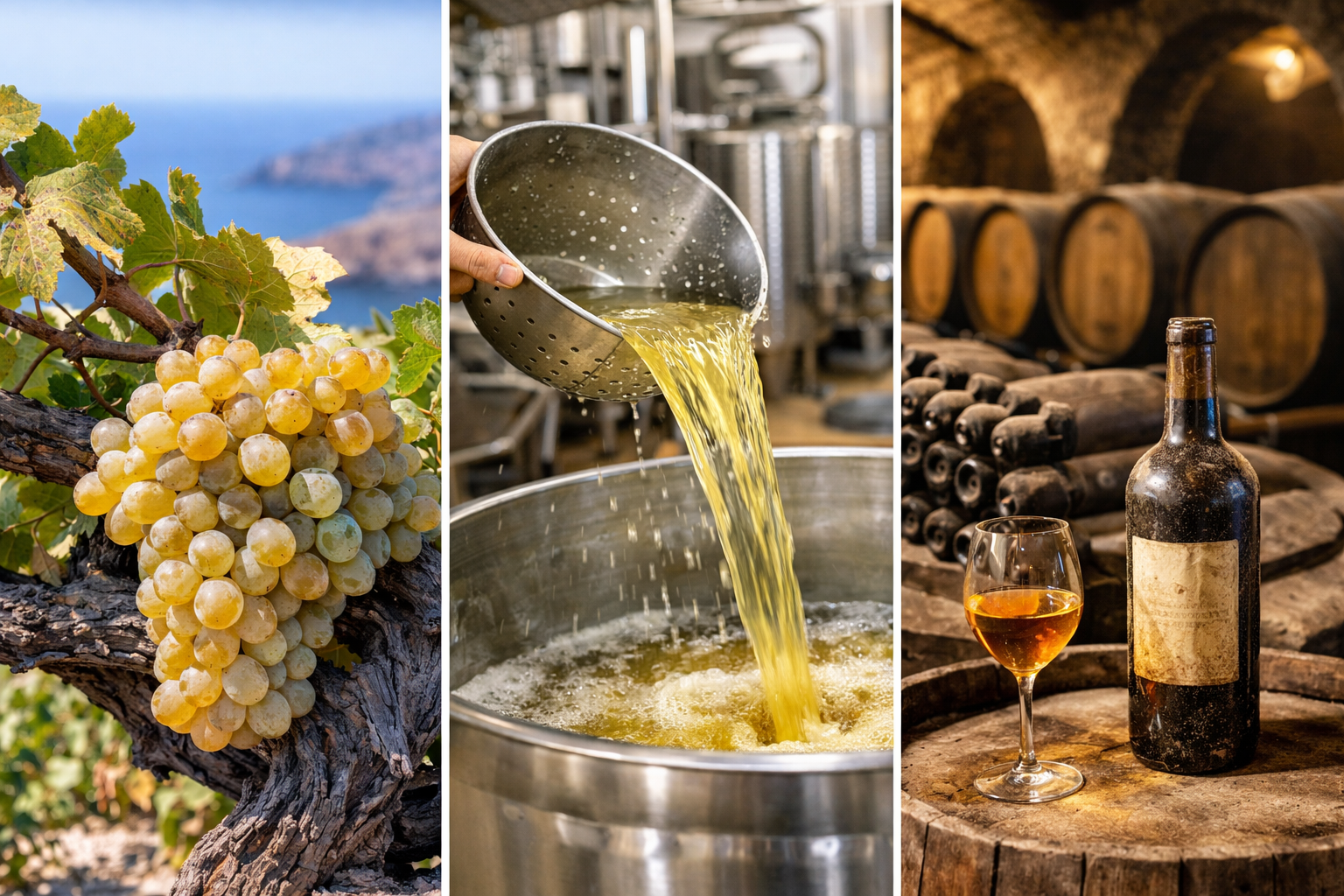
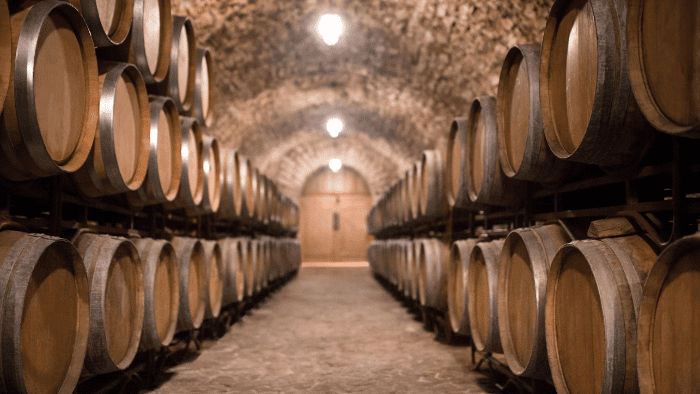
Nykteri is one of Santorini’s most traditional expressions. Harvested late and often fermented or aged in oak, Nykteri wines are richer, more powerful, and deeply expressive of the island’s history. This aging method using oak barrels retain Assyrtiko’s acidity while gaining:
- Subtle spice and smoke
- Creamier mouthfeel
- Extended aging potential
Concrete Eggs – Shaping Texture Without Touching Flavor
Used by Anhydrous Winery, Domaine Sigalas
Concrete egg fermenters are used by select Santorini producers to enhance texture without masking Assyrtiko’s natural character. Their shape promotes gentle, continuous movement during fermentation, while the concrete allows minimal oxygen interaction. This results in wines that feel rounder on the palate but remain sharply mineral and precise. In Santorini, concrete eggs are valued for softening Assyrtiko’s intensity without adding external flavors.
Ceramic Spheres – Letting the Terroir Speak Clearly
Used by Gaia Wines
Ceramic spheres offer a highly neutral environment for fermenting Assyrtiko, allowing the grape and volcanic terroir to remain the focus. Used by wineries such as Gaia, these vessels provide stable temperatures and subtle oxygen exchange without influencing aroma or taste. The resulting wines are clean, vibrant, and transparent, highlighting acidity, salinity, and freshness rather than winemaking intervention.
Amphora – A Return to Santorini’s Ancient Voice
Used by Oenop Wines, Karamolegos Estate
Amphora fermentation reconnects Assyrtiko with its ancient roots in the Aegean. Clay vessels allow slow oxygen interaction while preserving freshness, producing wines with a slightly earthier texture and more tactile mouthfeel. In Santorini, amphora-fermented Assyrtiko emphasizes raw terroir expression, offering a less polished but deeply authentic interpretation of the island’s wine tradition.
Concrete Tanks for Vinsanto – Guiding Sweetness with Restraint
Used by Estate Argyros
Concrete tanks are commonly used in the production of Vinsanto to support long fermentations and aging without flavor interference. At Eastate Argyros, concrete provides thermal stability and controlled oxygen exposure, allowing sweetness, acidity, and dried-fruit complexity to evolve in balance. This method preserves the wine’s structure while respecting Vinsanto’s historic character.
Aging Potential
Unlike many white wines, Assyrtiko from Santorini ages exceptionally well. With time, it develops notes of honey, nuts, and dried citrus while retaining its backbone. This aging ability surprised the international wine world and cemented Assyrtiko’s fine-wine status.
Why the International Wine World Fell in Love with Assyrtiko
Assyrtiko’s rise to global recognition was not accidental. It was inevitable.
When international sommeliers and critics first encountered Santorini Assyrtiko in blind tastings, it consistently stood shoulder to shoulder with elite white wines from France and Germany. Its combination of high acidity, minerality, and heat resistance challenged long-held assumptions about warm-climate wines.
Today:
- Assyrtiko appears on wine lists at Michelin-starred restaurants
- It is studied in sommelier certification programs
- It is praised for its food-pairing versatility and cellar-worthiness
More importantly, Assyrtiko changed the narrative around Greek wine. It proved that Greece could produce wines of precision, terroir expression, and global relevance.
Santorini didn’t follow international trends. It reminded the world that ancient regions still have something entirely new to say.
Vinsanto: The Sweet Wine That Conquered Europe
Centuries before Assyrtiko gained fame, Vinsanto was Santorini’s global ambassador.
A Wine Loved by Kings and Merchants
- Sun-dried grapes
- Oxidative aging
- Rich notes of dried fig, caramel, spice, and sea salt
By the Middle Ages, Vinsanto was exported through Venetian trade routes and served in royal courts across Europe. Its name, often misunderstood, comes from “Vino di Santorini,” not “vino santo.”
Today, Vinsanto is recognized as a Protected Designation of Origin (PDO) wine, cementing its historical and legal significance.
The Modern Renaissance of Greek Wine
For much of the 20th century, Greek wine struggled internationally due to bulk production and limited quality controls. Santorini played a pivotal role in reversing that narrative.
How Santorini Led the Revival
- Investment in boutique wineries
- Focus on terroir-driven wines
- International awards and critical acclaim
- Wine tourism tied to culture and landscape
Producers like Gaia, Sigalas, Estate Argyros, and Hatzidakis helped define a new Greek wine identity: precise, premium, and proudly local.

Santorini Wine Tourism: From Vineyard to Global Experience
Today, Santorini wine tours are among the most sought-after wine experiences in Europe. But what makes them special isn’t just the wine. It’s the storytelling.
A well-curated Santorini wine tour combines:
- Volcanic vineyard visits
- Winemaker-led tastings
- Local food pairings
- Sunset views over the caldera
This is where history, geology, and taste converge in a single glass.
For travelers who want to understand Santorini wine beyond surface-level tastings, Wineland Tours curates story-driven wine experiences that connect ancient vineyards, modern winemakers, and the island’s cultural heritage into one seamless journey.

Actionable Tips: How to Experience Santorini Wine the Right Way
- Visit fewer wineries, not more – Depth beats quantity.
- Taste Assyrtiko in different styles – Stainless steel, oak-aged, and wild fermentations.
- Ask about vine age – Some vines predate modern Greece.
- Pair with local cuisine – Fava, white eggplant, and seafood unlock the wines’ full character.
- Choose sunset tastings wisely – Beauty matters, but so does context.
Why Santorini Put Greece on the International Wine Map
Santorini succeeded where others couldn’t because it stayed authentic. It refined what already existed.
Key reasons Santorini became Greece’s wine flagship:
- Unique volcanic terroir
- Indigenous grape varieties
- Unbroken winemaking history
- High-quality, export-ready wines
- Powerful storytelling through tourism
In doing so, Santorini didn’t just build its own reputation. It opened the door for regions like Nemea, Naoussa, and Crete to follow.
A Living Legacy in Every Glass
Santorini’s wine history is alive and far from a relic of history. It’s evolving and still being written. Every glass of Assyrtiko carries volcanic tension, ancient wisdom, and modern ambition. Every sip tells the story of resilience, identity, and place.
If you want to truly understand Greek wine, you don’t start in a textbook. You start in Santorini.
FAQ: History of Wine in Santorini & Assyrtiko
Frequently Asked Questions
1. How old is winemaking in Santorini?
Winemaking in Santorini dates back more than 3,500 years, making it one of the oldest continuously cultivated wine regions in the world. Archaeological findings at the prehistoric site of Akrotiri confirm that wine was already being produced during the Bronze Age.
2. Why is Santorini famous for wine?
Santorini is famous for wine because of its unique volcanic terroir, ancient ungrafted vines, and indigenous grape varieties, especially Assyrtiko. The island’s harsh climate and volcanic soil create wines with intense minerality, high acidity, and strong aging potential that stand out internationally.
3. What makes Assyrtiko from Santorini different?
Assyrtiko from Santorini is distinct because it grows in pure volcanic soil, is often ungrafted, and is trained in traditional basket-shaped vines. These conditions give the wine its signature saline minerality, structure, and longevity, even in extreme heat.
4. Is Assyrtiko an ancient grape variety?
Yes. Assyrtiko is an indigenous Greek grape that has been cultivated in Santorini for centuries. Many vines on the island are over 100 years old and genetically linked to ancient plants, offering a direct connection to Santorini’s historical viticulture.
5. What role did wine play in Santorini’s ancient society?
In ancient Santorini, wine was central to daily life, trade, and religious rituals. It was consumed locally, offered to the gods, and exported across the Aegean, helping connect the island to wider Mediterranean trade networks.
6. What is Vinsanto and why is it historically important?
Vinsanto is a traditional sweet wine made from sun-dried grapes in Santorini. Historically, it was exported throughout Europe during the Venetian era and helped establish Santorini’s reputation as an important wine-producing island long before modern tourism.
7. How did volcanic eruptions affect wine production in Santorini?
Volcanic eruptions reshaped Santorini’s landscape but ultimately strengthened its wine identity. Volcanic ash created soil that resists vine diseases like phylloxera and enhances mineral expression, allowing ancient vines to survive when others across Europe were destroyed.
8. Did Santorini wine influence Greece’s international wine reputation?
Yes. The international success of Santorini wines, especially Assyrtiko, played a key role in changing global perceptions of Greek wine, positioning Greece as a producer of premium, terroir-driven wines rather than bulk or table wines.
9. Can you learn Santorini’s history through wine today?
Absolutely. Modern wine experiences in Santorini often incorporate history, geology, and local tradition, making wine a powerful lens for understanding the island’s past from prehistoric times to the present.
10. Is Santorini still producing wine using ancient methods?
Yes. Many traditional practices such as basket-trained vines, dry farming, and low yields, are still used today. These methods reflect centuries of adaptation and preserve Santorini’s historical wine identity.